Research

You bring a question your organization needs answered well. We build the evidence base under it and return work you can act on — with the sources attached and the thin spots marked.

Featured research

Reaching the Physician

An industry history and current-state analysis of how pharmaceutical manufacturers reach the physicians who prescribe their products.

iPhysicianNet raised $80M to replace the pharmaceutical sales call with live video, and collapsed in 2003. This traces what it built and the twenty years of alternatives that followed, then looks at where the AI layer arriving now fits — anchored to the company’s own SEC filing, with 42 citations listed and the thin spots marked.

How the work is done
The Method How an engagement is anchored, run, and verified before findings leave the desk. The problem statement, the two-layer structure, and the verification loop — the full process, written out. The Platform What holds the analysis together across days of work and hundreds of sources. Built for research with LLMs; its first test is the work on this site.
Provenance Provenance is the inspectable record of how a research artifact was developed: its evidence, inputs, methods, human judgment, AI/tool participation, material decisions, revisions, assumptions, and scope boundaries. Every published piece carries this seal — Human Led — linking to that record.

The method, shown working

The case for a platform

When Even the Best Prompt Isn't Enough

Features like Projects, Skills, instruction blocks, and memory are all worth knowing. A process that holds up under sustained work, with an audit trail, needs a framework behind it. This paper makes the case that most of us use these tools well and still leave most of their power on the table.

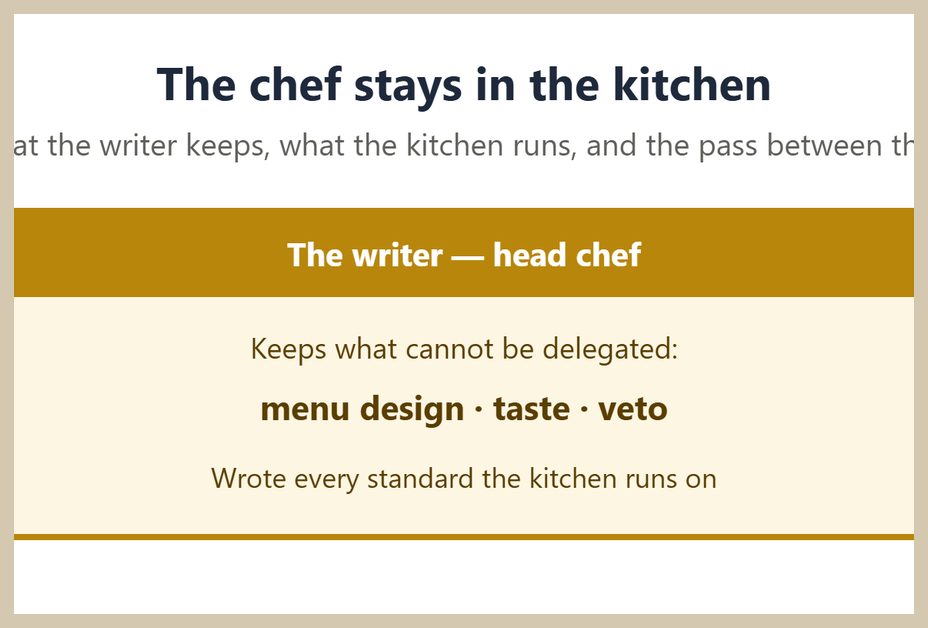
Cropped diagram fragment: the writer as head chef, keeping menu design, taste, and veto.

The method, demonstrated

Watch the method work

Think of it as a casting call. One part, three actors reading the same lines, two of them fresh off the bus that week. You are in the director's chair. You give the same brief to each, watch the reads side by side, and coach toward the take that lands. The part goes to the best read, not the biggest name or the newest face. A cost breakdown runs alongside, so you can see what the performance was worth. The published post came out of exactly this, unchanged, and you can watch every take, including the ones that fell flat.

  • The Chef Post — the published piece, plus the three-model comparison, drafts, and cost analysis behind it
The work — complete papers
The Data Lifecycle Series

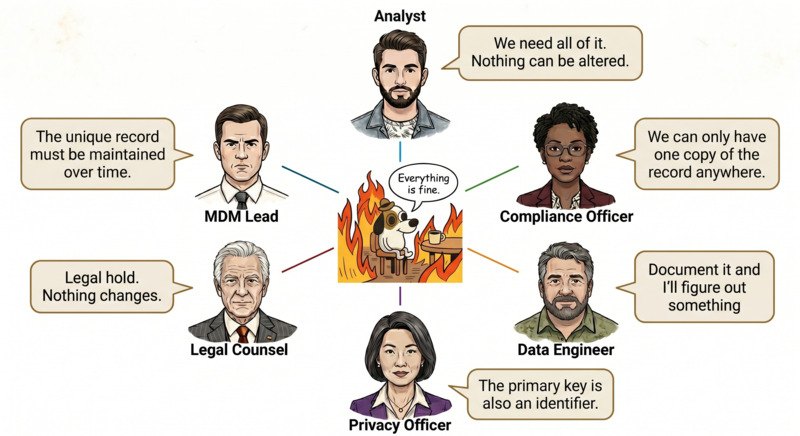
A three-part series on why a single retention rule pulls in opposite directions at once, and the architecture that resolves it.

  • Paper 1 Designing for the Data Lifecycle is not easy
    One retention rule usually hides four distinct mechanisms and two different problems; conflating them is where implementation breaks.
  • Paper 2 The Best Pattern for a New Source
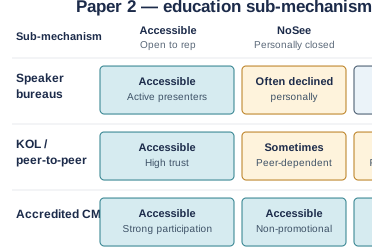
    The Day Zero fork: one ingestion point splitting into a compliance vault and an analytical store, each governed under its own rules.
  • Paper 3 When the Request Is "Delete Me"
    Why a subject-erasure request and routine analytical removal are the same operation, and the platform conditions that make it a managed step rather than an investigation.
The Data Access Platform

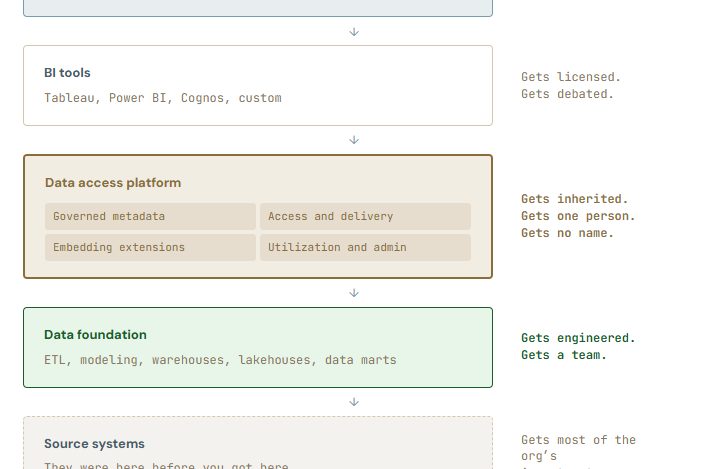
Two decades running analytics platforms at a large healthcare company, told through the Brooklyn Bridge: why organizations tolerate "good enough" data access for years, and what it finally takes to commit to the platform they actually need.

Start here

The best first step is a short conversation about the question you are trying to answer. Contact us.