Advisory

Helping leaders see what these tools are for — their own thinking, research and analysis — and bring that way of working into their organization.

The shift

Every leader has seen what these tools can do in a chat window. Most are using them to help with email, to distill writing down, to critique a draft; many have worked out how to build a sophisticated prompt. And there is the standing press on the technical teams to “use AI” to transform what is possible in the company’s systems and products.

The greatest powers are generally being overlooked. These tools are deeply powerful, and they are for you as a leader — for the thinking, researching, and analyzing that leadership actually is. Working that way means no longer treating them as one more tool in the stack, and that is a real shift: it happens one person at a time, and it takes some care.

Two kinds of advisory

The first is personal. We work with you, as a leader, on making the shift yourself: what it looks like to direct this capability in your own thinking and your own decisions, the way you would direct a capable team. This is the significant work, and it cannot be delegated.

The second is organizational. Once you can see the way of working, you will want to work with your own teams and fellow leaders to determine where it can be useful. Bursera is there to help — with the questions worth asking, the practice worth showing, and an honest read on what your team would need to run it well.

Everything we advise on, we run daily — the method and platform behind our own research are the ones we help you evaluate. The results, and how they were produced, are on this site to inspect.

The mindset, told in story form

The thesis

A team you have to build and lead

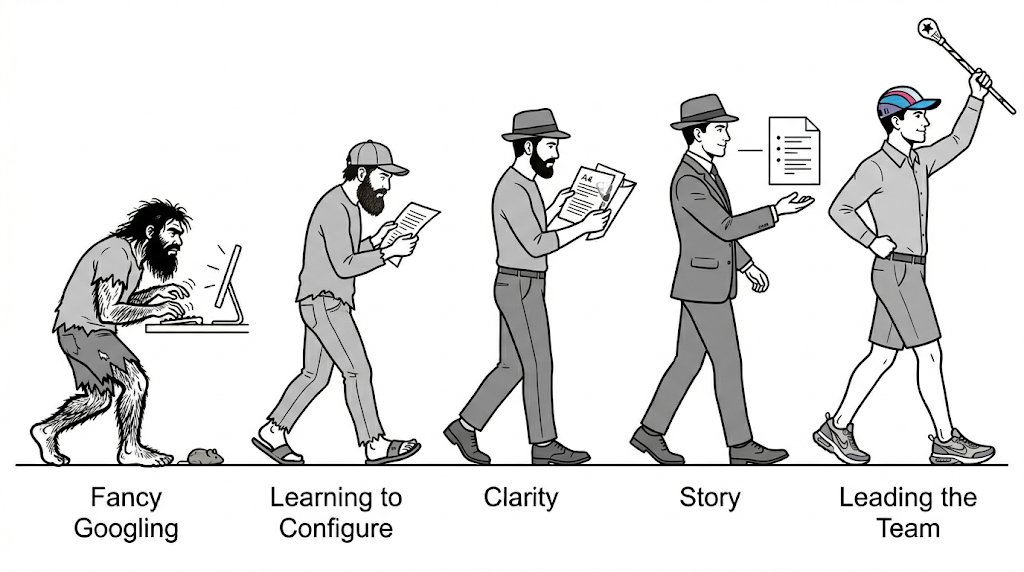
The story of the shift itself, drawn from running the work from the fall of 2024 through the middle of 2026. It traces five phases, from treating the model as fancy search to leading it like a group of capable people who need direction — the same arc you would be starting. It is specific about what went wrong along the way: the thread that agreed with everything, the drafts that echoed the last thing said.

The habits

The Interns

What the leading actually looks like, one practice and one technique per episode. “Red Team” is the first: when the work is not landing the way you want, you bring in a second model for a fresh set of eyes and point it at the first model’s work — the same review discipline you would expect of any team you run. The first answer is often confident and wrong; the leader’s habit is not taking it. New episodes are added as they are written.

If what you want is the capability

Sometimes the need is not counsel but capability: your researchers and analysts running the practice themselves. That is Training, and the two often run together — a leader making the shift while the team learns the work.

Start here

Advisory starts with a conversation, not a proposal: your organization, what you have already tried, and what you are curious about. Contact us.